Call Us +92-300-8042177

Introduction
In today’s digital world, clearly, almost every online journey starts with a simple search. Whether someone wants to buy a product, find a service, learn a new skill, or access information, they usually go straight to Google and type a question. As a result, this reality clearly demonstrates one essential truth: if your business, brand, or website does not show on search engines, then you essentially do not exist for a significant portion of your target audience. Therefore, by using SEO-Search Engine Optimisation, you can not only increase visibility but also secure long-term, balanced rankings.
Furthermore, SEO-Search Engine Optimisation is important because it is at the same time one of the most powerful, long-lasting, and cost-effective strategies in digital marketing. Unlike paid advertisements, where visibility disappears the moment payments stop, SEO ensures continuous, organic traffic for months or even years, provided that it is executed correctly. Accordingly, investing in SEO gives current benefits that compound over time, making it a difficult component of any digital strategy.
This guide has been carefully designed as a complete, in-depth resource specifically for beginners, business owners, bloggers, students, and digital marketers who aim to master SEO- Search Engine Optimisation from A to Z. Indeed, it covers everything: fundamentals, advanced strategies, essential tools, common mistakes, practical examples, actionable tips, as well as the latest industry updates. Hence, whether you are starting from scratch or looking to enhance an existing SEO strategy, this guide serves as a comprehensive road map to achieve measurable and lasting results.
Finally, by following this guide, not only will you understand SEO completely, but also you will be able to implement strategies that drive continuous growth, while avoiding challenges that commonly delay online success.
What is SEO-Search engine Optimisation?
SEO-Search Engine Optimisation , is the process of improving a website so it ranks higher on search engines, therefore, it helps your content reach the right audience at the right time. Moreover, SEO focuses on keywords, and as a result, it makes your pages easier for Google to understand,also SEO upgrade user experience, because it motivate faster loading speed, clearer structure, and better readability. Further, SEO offers on-page and off-page techniques, which means that both your content and your external presence affect ranking.
Consequently, businesses must create valuable content and build trustworthy back-links so their authority increases. Likewise, SEO requires continuous improving, since methods change regularly and demand updated strategies. Similarly, technical SEO ensures your website performs effortlessly, thereby giving search engines a clear track to crawl your pages. At the end, SEO helps brands grow organically, and thus, it delivers long- term visibility, credibility, and balanced traffic
SEO Search Engine Optimisation is the process of improving a website because of that it can rank higher on search engines like Google, and Yahoo for specific keywords.
When someone searches for something like:
- “best digital marketing course”
- “buy sports shoes online”
- “how to start freelancing”
Search engines show results that they believe match the searcher’s intention then show on the first page, especially the top 3 results and get the most of the clicks. In fact, studies show:
- The #1 position on Google gets 27–35% of clicks
- Second and third positions get between 15% to 17%
- Pages beyond page 1 rarely get more than 1% traffic
SEO-Search Engine Optimisation helps your site appear among those top results.
In simple words: SEO helps search engines understand that what your website is about and ensures users find you when they search for your niche.
Why is SEO is important in Digital Marketing?
SEO is not just one part of digital marketing in fact it is the foundation that supports everything else.
Here is why it is critical:
1. It Brings Free & Organic Traffic
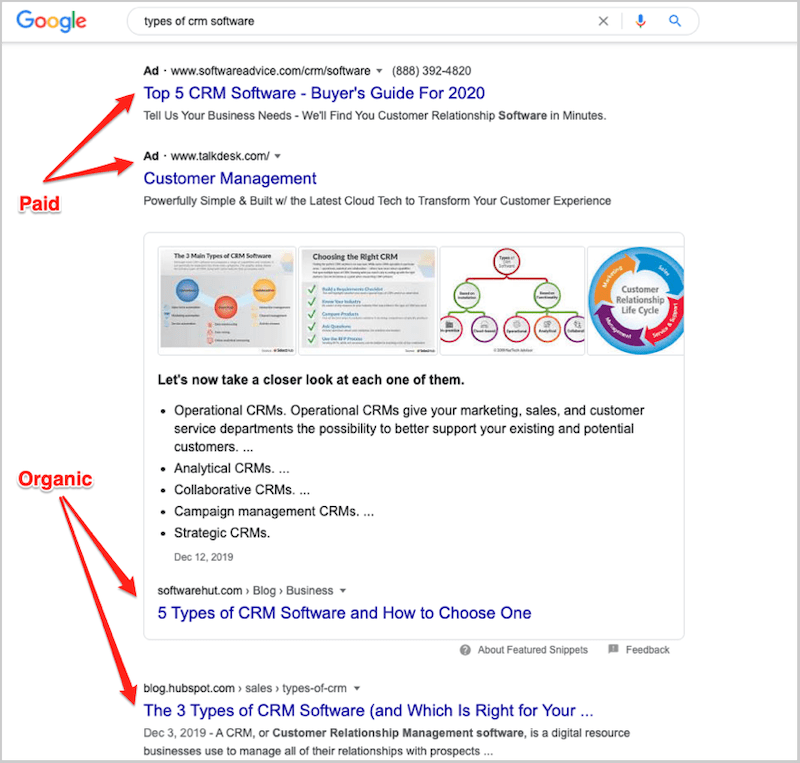
Different from paid advertisements because you don’t pay search engines to show your site. Once your SEO is strong, and your website keeps bringing traffic 24/7 without continuous spending.
2. Builds Trust & Credibility
- Users trust Google.
- When Google ranks your site higher so people automatically assume your brand is reliable.
3. Long-term ROI
- Paid marketing gives short-term results.
- SEO-Search Engine Optimisation gives returns on returns.
- A page ranking today will continue to bring traffic next month, next year, and beyond.
4. Matches User Intent
SEO helps brands understand what users search for and what they need as a result this makes marketing customer-focused, not guessing.
5. Supports All Digital Channels
SEO improves:
- Social media visibility
- Content marketing
- Email marketing
- Website performance
- Brand authority
WHY SEO Matters for Every Business
1. Importance of SEO for Visibility
SEO helps your website appear in front of people who are actively searching, and consequently, it increases your chances of getting relevant visitors. SEO places your brand where your audience is spending time, and therefore, visibility becomes stronger even without ads.
For example, when someone searches “best shoes in Pakistan”, a well-optimised website will appear on page one, and thus, it receives more clicks than those on page two.
2. SEO Brings Long-Term Traffic
SEO keeps delivering traffic long after the content is published, and at the end , it reduces dependency on paid marketing. As a result, businesses enjoy same visitors every day, and likewise, they benefit from long term online visibility.
For example, a blog post you published a year ago can still rank today, and consequently, it keeps bringing customers without additional effort.
3- SEO Builds Trust and Credibility
Users trust websites that looks at the top of Google, and therefore, strong SEO automatically increases your credibility. Search engines consider high ranking websites solid, and consequently, customers are expected to buy from them.
For example, if your brand appears in the top three results, people suppose it is established, and hence, they click it without any doubt.
4. SEO Helps You Compete With Big Brands
Good SEO allows small businesses to compete with large companies, and thus, everyone has equal chances to rank. In the same way, even a new website can top well known brands with high quality content, and finally, it can capture valuable market share.
For example, a local bakery can top a big national chain by targeting keywords like “fresh cupcakes near me”, and consequently, attract more local customers.
5. SEO Improves Overall User Experience
SEO pushes you to improve website speed, direction, and mobile performance, and at the end, this creates a effortlessly experience for visitors. Better user experience keeps people on your site longer and as a result, it signals Google that your content is helpful.
For example, when a website loads fast and has clear menus, users stay longer, and consequently, your ranking increases.
How Search Engines Work?
Understanding SEO means understanding how search engines function. Google uses three main steps:
1. Crawling
Google bots scan websites to discover content.
2. Indexing
Google stores and organizes the discovered pages in its database.
3. Ranking
Google evaluates which pages are relevant, useful, and trustworthy after it ranks them accordingly.
For effective SEO-Search Engine Optimisation, your website must be:
- Crawlable
- Indexable
- Helpful
- Optimized
- Trustworthy
If any one of these is missing, ranking becomes extremely difficult.
TYPES OF SEO–Search Engine Optimisation
To master SEO, you must understand its three major components:
1. On-Page SEO
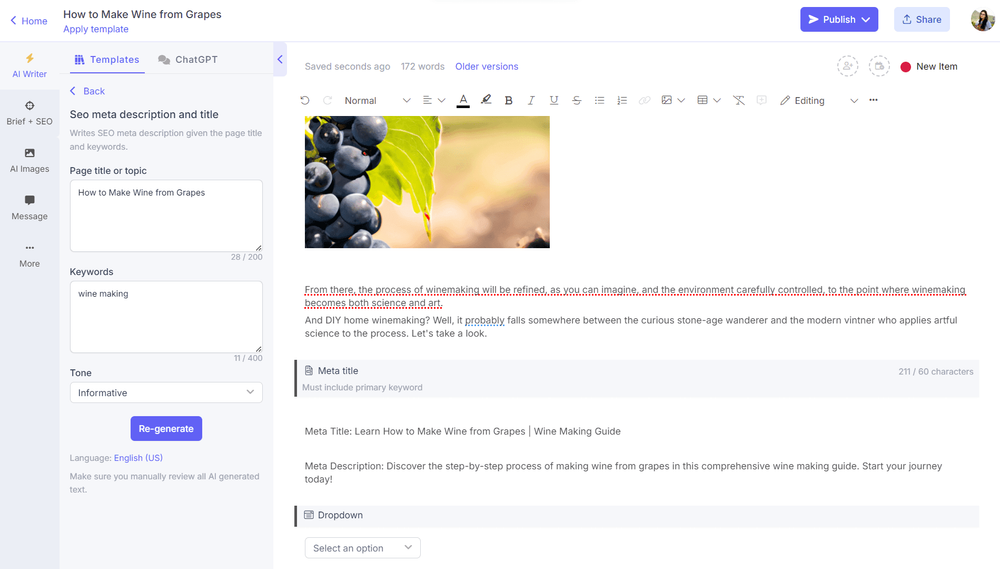
On-page SEO, to starts with, focuses on improving the content and elements within your website to help search engines understand your pages clearly. Moreover, it includes improving title tags, meta descriptions, header tags, and keyword placement so your content matches with user search intent. Furthermore, on-page SEO needs creating high quality, original, and valuable content that answers user questions effectively.
In addition, it involves improving images, internal linking, URL structure, and content formatting to improve readability and user engagement as a result these improvements help search engines show your pages as relevant, helpful, and informative as a result, strong on-page SEO increase your rankings, increases organic traffic, and enhances user experience also it includes improving for mobile friendliness and ensuring your content loads quickly so visitors stay longer but at the end when on-page SEO is implemented correctly, it strengthens your overall SEO strategy, increases search visibility, and helps your website perform better allover search engines.
This focuses on everything inside your website.
Elements Include (On-page):
- Keywords
- Title tags
- Meta descriptions
- Headings (H1, H2, H3)
- URL structure
- Image Optimisation
- Content quality
- Internal linking
- User experience
On-page SEO tells Google exactly what each page is about and how relevant it is to a particular search questions.
2. Off-Page SEO
Off-page SEO, refers to all activities performed outside your website that help improve your rankings, authority, and credibility in search engines. Moreover, it mainly focuses on building high-quality backlinks because search engines treat them as strong signals of trust. Furthermore, off-page SEO is not limited to link building, because it also includes brand mentions, social media engagement, content promotion, influencer collaborations, guest posting, PR campaigns, local sources, and directory listings.
Consequently, these actions signal to search engines that your website is valuable, popular, and trustworthy across the internet as a result, strong off-page SEO increase your Domain Authority, Page Authority, search visibility, referral traffic, and overall ranking potential. Additionally, when off-page SEO is done correctly, it helps build your website’s reputation naturally and built user trust also effective off-page SEO creates a strong digital presence that drives long-term, consistent, organic traffic to your website
Off-Page SEO is everything you do outside your website to improve authority.
Major off-page factors:
- Backlinks
- Social signals
- Guest posts
- Brand mentions
- Forum participation
- Influencer outreach
- Reputation building
When reputable websites link to you,Back-links act as “votes.” Google sees your site as trustworthy.
3. Technical SEO
It focuses on improving the backend of the website so search engines can crawl effortlessly.
Technical SEO Includes:
- Website speed
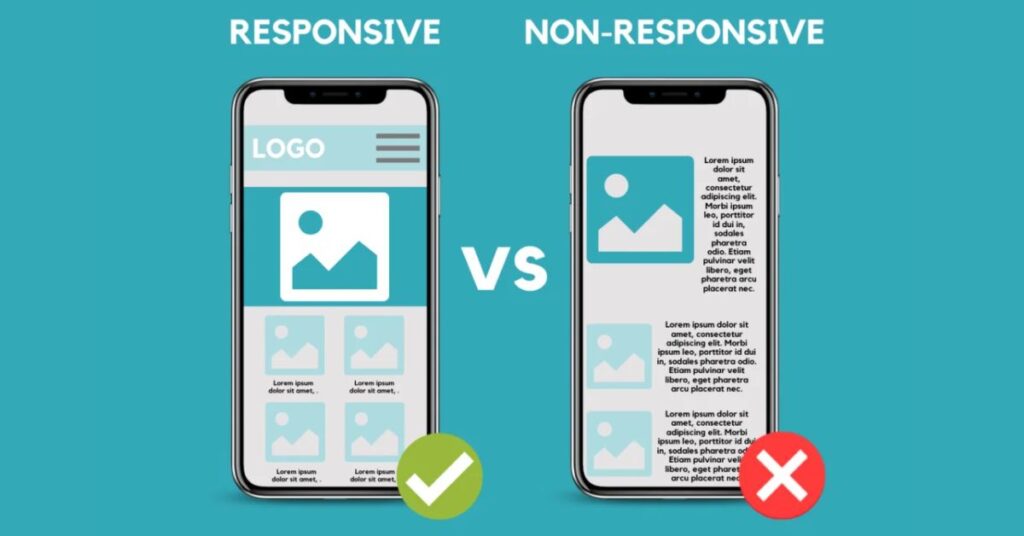
- Mobile responsiveness
- SSL certificate (HTTPS)
- XML sitemaps
- Robots.text Optimisation
- Schema markup (structured data)
- Fixing broken links
- Improving Core Web Vitals
Without technical Optimisation, even great content cannot rank.
KEYWORD RESEARCH
The Heart of SEO – Search Engine Optimisation. Keyword research means finding the exact words and phrases people search on Google.
Why It Matters:
Choosing the right keywords helps you attract the right audience. This means more:
- Traffic
- Leads
- Sales
- Conversions
Types of Keywords:
Short-tail keywords (high volume, high competition)
Long-tail keywords (lower volume, high intent)
Informational keywords (What, How, Why)
Commercial keywords (best, top, review)
Transactional keywords (buy, order, near me)
Tools for Keyword Research:
- Google Keyword Planner
- Ahrefs
- SEMrush
- Moz
- Ubersuggest
- AnswerThePublic
- Google Trends
HOW TO DO ON-PAGE SEO PERFECTLY
This section is extremely important for ranking your content.
Here is how to optimize your page step-by-step:
1. Title Optimization
Your main keyword must appear in the title.
Example:
What Is SEO – Search Engine Optimisation? Complete Beginner to Expert Guide
2. Meta Description
Summarize your content in 150–160 characters.
Include the keyphrase naturally.
3. Optimised URL
Keep it short and clear, like:
/what-is-seo-search-engine-optimisation
4. Proper Heading Structure
Every SEO-friendly page must include:
- One H1
- Several H2 sections
- Subsections using H3/H4
5. Using Keywords Naturally
- Don’t overstuff. Place them in:
- First 100 words
- Headings
- Meta tags
- Image alt text
- Body content
6. Content Quality
The content must be:
- Comprehensive
- Unique
- In-depth
- Updated
- Easy to read
- Engaging
Thin content will not rank, no matter how many keywords you add.
7. Image & Media Optimization
Add:
- ALT text
- Compressed images
- Descriptive filenames
- Lazy loading
- This improves both SEO and UX.
8. Internal Linking
This is one of the most underrated ranking factors.
- Internal links help to:
- Pass authority
- Keep users on-site
- Help Google crawl deeper
- Improve topic relevance
OFF-PAGE SEO_BUILDING AUTHORITY
Off-page SEO, refers to all activities performed outside your website that help improve your rankings, authority, and credibility in search engines. Moreover, it mainly focuses on building high-quality backlinks because search engines treat them as strong signals of trust. Furthermore, off-page SEO is not limited to link building, because it also includes brand mentions, social media engagement, content promotion, influencer collaborations, guest posting, PR campaigns, local sources, and directory listings.
Consequently, these actions signal to search engines that your website is valuable, popular, and trustworthy across the internet as a result, strong off-page SEO increase your Domain Authority, Page Authority, search visibility, referral traffic, and overall ranking potential. Additionally, when off-page SEO is done correctly, it helps build your website’s reputation naturally and built user trust also effective off-page SEO creates a strong digital presence that drives long-term, consistent, organic traffic to your website
This focuses mainly on building backlinks and improving your brand’s credibility.
Types of Backlinks:
- Editorial links
- Guest posting
- Niche edits
- Directory submissions
- Social bookmarks
- Resource page links
- Broken link building
Strategies to Build Backlinks:
- Create high-value content (guides, infographics, statistics)
- Email outreach
- Write for industry blogs
- Collaborate with influencers
- Provide testimonials
Engage in forums and communities
TECHNICAL SEO–BUILDING A STRONG FOUNDATION
Technical SEO, focuses on improving the back-end structure of your website so search engines can understand your content properly. Moreover, it includes improving site speed, mobile responsiveness, URL structure, XML sitemaps, and overall website architecture. Furthermore, technical SEO ensures that your website uses secure HTTP, clean code, and improving images to deliver a smooth user experience. In addition, it involves recover broken links, deducting duplicate content, and increasing crawlability through proper settings.
Same as these improvements help search engines access your pages easily, which increases indexation and ranking potential. As a result, a well optimised technical foundation supports stronger on-page and off-page SEO performance. Additionally, technical SEO includes implementing schema markup, because structured data helps search engines understand your content context more effectively. Ultimately, when technical SEO is done correctly, it increases website speed, stability, user experience, and overall search engine visibility leading to higher rankings and long-term organic growth.
If technical SEO is weak, rankings collapse.
Important Technical SEO Factors:
1. Site Speed
A slow website drops conversions and rankings.
Use:
- Google PageSpeed Insights
- GTMetrix
- Improve by:
- Compressing images
- Enabling caching
- Using CDNs
- Optimizing code
2. Mobile-Friendly Design
Since most searches happen on mobile, Google uses mobile-first indexing.
3. Website Architecture
Your site should be structured like a clean, logical hierarchy.
4. XML Sitemap
This helps Google discover your pages quickly.
5. Robots.txt
This file tells search engines which pages to crawl or ignore.
6. HTTPS Security
Google prioritizes secure websites.
7. Core Web Vitals
- Three metrics measure real user experience:
- Largest Contentful Paint (LCP)
- First Input Delay (FID)
- Cumulative Layout Shift (CLS)
8. Schema Markup (Structured Data)
This helps you appear in rich snippets like:
- FAQs
- Ratings
- How-to
- Recipes
CONTENT STRATEGY FOR SEO – SEARCH ENGINE OPTIMISATION
- Content is the backbone of SEO.
- To rank, your content must:
- Satisfy search intent
- Be engaging
- Be well-researched
- Be long enough to cover all relevant points
- Use visuals
- Include examples
Types of Content That Rank Well:
- Guides
- How-to articles
- Tutorials
- Lists
- Comparison articles
- Case studies
- Industry news
- FAQs
Content Must Answer:
- What users want
- What they search
- What problems they have
- What solutions they need
ADVANCED SEO TECHNIQUES (For 2025 and Beyond)
Basic SEO helps you build a foundation—but advanced SEO techniques help you outrank your competitors and claim top positions on Google. As search engines become smarter, websites must adopt deeper, more strategic optimisation approaches.
Here are the most effective advanced strategies you must use:
1. Semantic SEO
Search engines no longer rely only on keywords—they try to understand meaning, context, and user intent.
Semantic SEO includes:
- Using topic clusters
- Answering related questions
- Adding synonyms and variations
- Covering a topic from multiple angles
- Connecting ideas with internal linking
This makes your content more helpful and gives Google a clearer understanding of your expertise.
2. Search Intent Optimisation
Every keyword has a purpose behind it.
Types of Intent:
- Informational — “How does SEO work?”
- Navigational — “YouTube SEO guides”
- Commercial — “Best SEO tools”
- Transactional — “Buy SEO course online”
To rank, your content must match the intent exactly.
For example:
If the query is “What is SEO – Search Engine Optimisation?”
The user wants an educational guide, not a product page.
3. Topic Clusters and Pillar Pages
This is one of the most powerful ranking methods.
How it works:
You create:
- 1 central pillar page (main topic, e.g., “What is SEO-Search Engine Optimisation?”)
- Multiple supporting blogs (keyword research, on-page SEO, backlinks, etc.)
- Strong internal linking connecting all pages
Google sees your website as an authority in SEO, which boosts rankings.
4. E-A-T & E-E-A-T (Google’s Trust System)
Google checks:
- Experience
- Expertise
- Authoritativeness
- Trustworthiness
To satisfy E-E-A-T:
- Add author bios
- Show your credentials
- Cite trusted sources
- Display reviews/testimonials
- Maintain consistent branding
SEO – Search Engine Optimisation websites with strong E-E-A-T dominate rankings.
5. AI-Optimised Content
AI tools can help:
- Suggest keywords
- Identify gaps in your content
- Analyse competitor pages
- Improve structure
But remember: AI-Assisted, Human-Optimised content ranks best.
6. Natural Language Processing (NLP) Optimisation
Use terms related to your topic because Google expects in high-ranking pages.
Examples for SEO content include:
- SERPs
- backlinks
- domain authority
- meta tag
- keyword strategy
- user intent
These strengthen topical relevance.
7. Content Updating Strategy
Google rewards fresh, updated content.
To keep ranking:
- Update stats
- Add new strategies
- Improve readability
- Refresh examples
- Expand sections
Most top pages are updated every 3–6 months.
LOCAL SEO-Search Engine Optimisation (Ranking for Local Searches)
If your business offers a specific location such as a city, town, or region, Local SEO is essential.
Local SEO helps your business looks for searches like:
- “best dentist near me”
- “top restaurants in Lahore”
- “SEO services in Karachi”
1. Google Business Profile Optimisation
Your Google Business Profile (GBP) is your strongest local ranking factor.
- Optimise by adding:
- NAP (Name, Address, Phone)
- Opening hours
- Services
- Photos
- Reviews
Business description with your keyword
2. Local Keyword Strategy
Use keywords like:
- “SEO services in Lahore”
- “digital marketing agency Karachi”
- “best SEO – Search Engine Optimisation consultant near me”
These carry targeted local traffic.
3. Local Citations
List your business on:
- Google Maps
- Yelp
- YellowPages
- Local directories
- Pakistani business listings
The more consistent the sources, the better your ranking.
4. Reviews and Ratings
Google prefers businesses with:
- Authentic reviews
- Frequent updates
- High ratings
- Responses to customer feedback
Positive reviews directly boost rankings.
E-COMMERCE SEO
E-Commerce SEO improves an online store’s visibility so that products looks in front of buyers exactly when they search for them. Moreover, it helps your website earn higher rankings, which increases both changes and organic sales. Additionally, it improves product pages, categories, technical structure, and user experience, which collectively increase discover ability. Further, it ensures that search engines can properly drag, understand, and rank your e-commerce website.
E-commerce websites need a specialised approach because:
- They have many pages
- They compete with major brands
- They require high conversion rates
Here’s how to Optimise an e-commerce store:
1. Product Page SEO
Product Page SEO strengthens an online store’s visibility because it helps search engines understand the product perfectly and display it to the right audience. Moreover, it improves user experience by organising titles, descriptions, images, and highlights in a clear and engaging structure. Additionally, it increases changes by highlighting important details that convince buyers to take action. Further, it increases organic traffic by targeting relevant keywords that match customer search intent. Ultimately, it increases overall store performance by making every product page informative, improved, and easy to discover.
Optimise:
- Product titles
- Product descriptions
- High-quality images
- Keywords
- Reviews
- FAQs
Each product page should target one primary keyword.
2. Category Page SEO
Category pages are powerful and bring big traffic.
Use:
- Long descriptions
- Optimised headings
- Internal links
- Breadcrumbs
3. Technical Fixes
Ensure:
- Fast loading
- Clean URL structure
- Schema markup
- No duplicate content
- Mobile-friendly design
4. E-Commerce Schema
Schema markup increases the visibility of your product pages because it allows Google to display rich results such as price, ratings, availability, and product reviews. Moreover, it improves click through rate because users notice highlighted information instantly. Additionally, it helps search engines better understand the structure of your product page.
Add structured data for:
- Product
- Price
- Availability
- Ratings
This increases click-through rates.
COMMON SEO MISTAKES (A LOT OF BEGINNERS DO THESE)
Even small SEO mistakes can stop a website from ranking. Avoid these:
1. Keyword Stuffing
Using the main keyword repeatedly makes content unnatural and reduces ranking.
2. Thin or Low-Value Content
Google wants long, helpful, detailed pages.
3. Ignoring Technical SEO
Broken links, slow speed, and poor mobile UX kill rankings.
4. No Internal Linking
This prevents Google from understanding your site structure.
5. Not Updating Content
Outdated content loses ranking over time.
6. Poor Back–link Quality
Spammy links harm your site instead of helping.
7. Ignoring Search Intent
Content mismatched with intent will never rank.
SEO TOOLS YOU MUST USE
Here are the most reliable tools for SEO-Search Engine Optimisation:
Keyword Research Tools
- Ahrefs
- SEMrush
- Google Keyword Planner
- Ubersuggest
On-Page SEO Tools
- SurferSEO
- Yoast SEO
- RankMath
- PageOptimizer Pro
Technical SEO Tools
- Screaming Frog
- Google Search Console
- GTMetrix
- Page Speed Insights
Back-link Tools
- Moz
- Majestic
- Ahrefs
Content Tools
- Grammarly
- Hemingway Editor
- ChatGPT (for structure assistance)
VOICE SEARCH OPTIMISATION
Voice search queries are longer and more conversational.
Examples:
“What is SEO – Search Engine Optimisation and how does it work?”
“Which SEO strategy is best for beginners?”
To optimise:
- Use question-based keywords
- Add FAQ sections
- Write in a conversational tone
- Focus on long-tail keywords
Voice search means when people speak their query instead of typing it.
Like when someone uses:
- Google Assistant
- Siri
- Alexa
- Voice search on mobile
- Smart speakers
For example, instead of typing:
“SEO – Search Engine Optimisation meaning”
They speak:
“Hey Google, what is SEO search engine optimisation and how does it work?”
Because users speak differently than they type.
Why is Voice Search Important?
More people now use their voice to search because it s easy to ask you question, and convey the query you they want know about.
Especially mobile users.
Google also gives answers directly for voice questions, so if your content is optimized for voice search, your website can become the featured spoken answer.bright
How Voice Search is Different From Typing
Here’s the difference:
Typed search:
“SEO benefits”
Voice search:
“What are the benefits of SEO-Search Engine Optimisation for my business?”
voice searches a much longer and natural,
So your content must match that style
How to Optimise Your Content for Voice Search
1. Use Question-Based Keywords
Voice searches often start with:
- What
- Why
- How
- Where
- When
- Which
Example:
“What is SEO – Search Engine Optimisation?”
So include questions in your content and answer them properly.
2. Add an FAQ Section
Google reads FAQs because they are short and clear.
Example questions:
“How does SEO – Search Engine Optimisation work?”
“Why is SEO important?”
Every answer should be:
- Short
- Direct
- Clear
3. Use Conversational Language
This is VERY important.
Voice search answers should sound natural, like talking to a human.
Example:
❌ Not good:
“SEO is defined as the Optimisation of search engine parameters to improve ranking.”
✔ Good:
“SEO – Search Engine Optimisation helps your website rank higher on Google so people can easily find you.”
4. Use Long-Tail Keywords
Voice searches use longer phrases.
Examples:
- “how can I start SEO – Search Engine Optimisation in 2025?”
- “what is the best way to improve SEO ranking fast?”
These help you appear in voice results.
5. Provide Short, Direct Answers
Google likes 20–30 word answers for voice results.
Example answer:
SEO–Search Engine Optimisation is the process of improving your website visibility on Google by ranking higher for keywords that people search.
- Short.
- Clear.
- Human.
6. Improve Page Speed
Page speed directly impacts product SEO because slow loading pages cause visitors to leave quickly. More, optimising images, reducing heavy scripts, and enabling storing help your store load much faster. Further, fast product pages improve user satisfaction, which leads to better changes and stronger search visibility.
Voice search mostly happens on mobile, so your page must load fast.
7. Use Structured Data
This helps Google understand your page better.
FAQ Schema especially boosts voice results.
VOICE SEARCH EXAMPLE
Voice Query:
“Hey Google, what is SEO-Search Engine Optimisation?”
Your Answer (as written on your page):
“SEO-Search Engine Optimisation is the process of improving your website so it appears higher on Google’s search results and gets more organic traffic.”
If you write answers like this so Google can read your content aloud.
MOBILE SEO
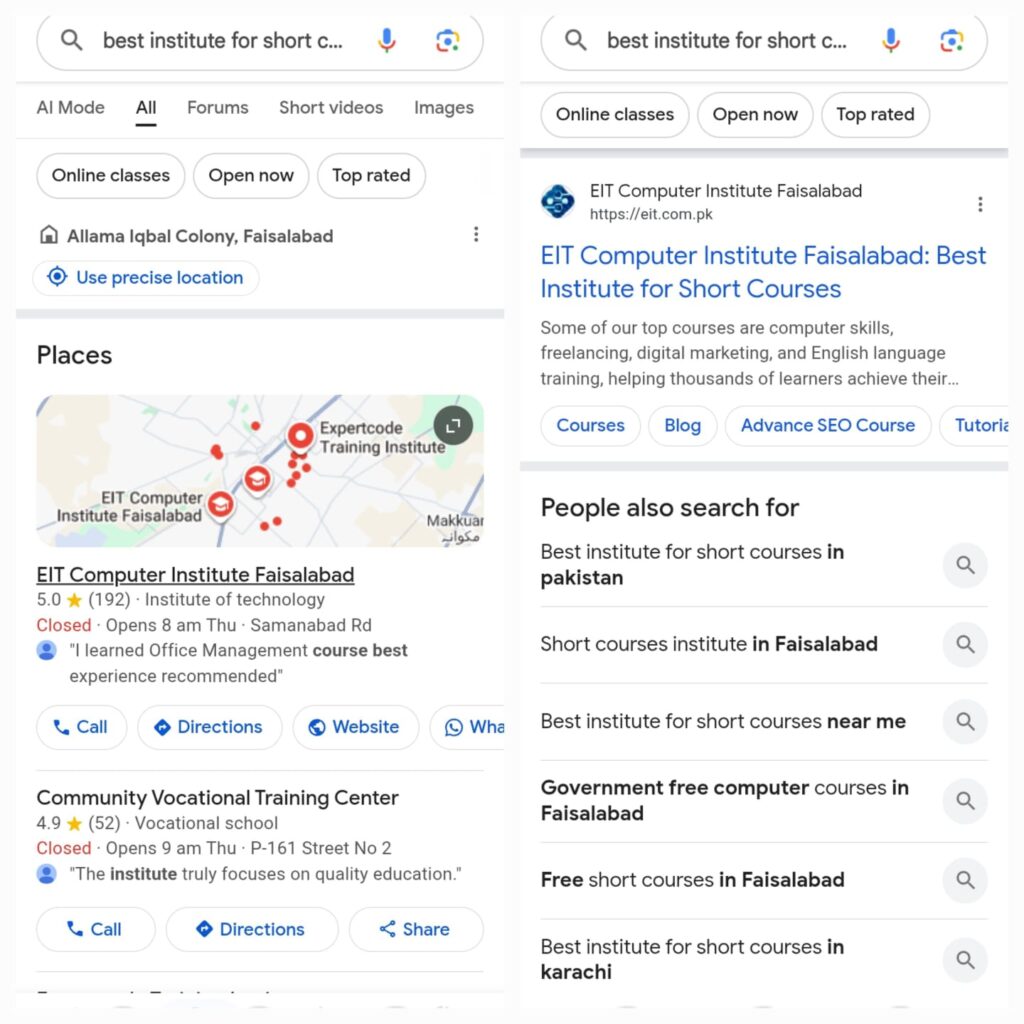
Mobile SEO is important because it confirms your website performs effortlessly on smartphones and tablets; therefore, users stay longer and engage more effectively. Moreover, Mobile SEO improves page loading speed, and as a result, search engines rank your content higher.
Improving for mobile enhances user experience since responsive layouts adjust automatically to different screens. Further, Google focuses on mobile starting point, which means that your mobile version becomes the primary version for ranking. Consequently, businesses must use zipped images and lightweight code so pages load quickly even on slow networks. Similarly, they should improved navigation menus, because clear menus allow visitors to move through the site easily. Likewise, adding structured data helps search engines understand your content better, thereby enhancing visibility across devices. At the end, Mobile SEO strengthens brand authority, and thus, it leads to higher conversions and long term growth
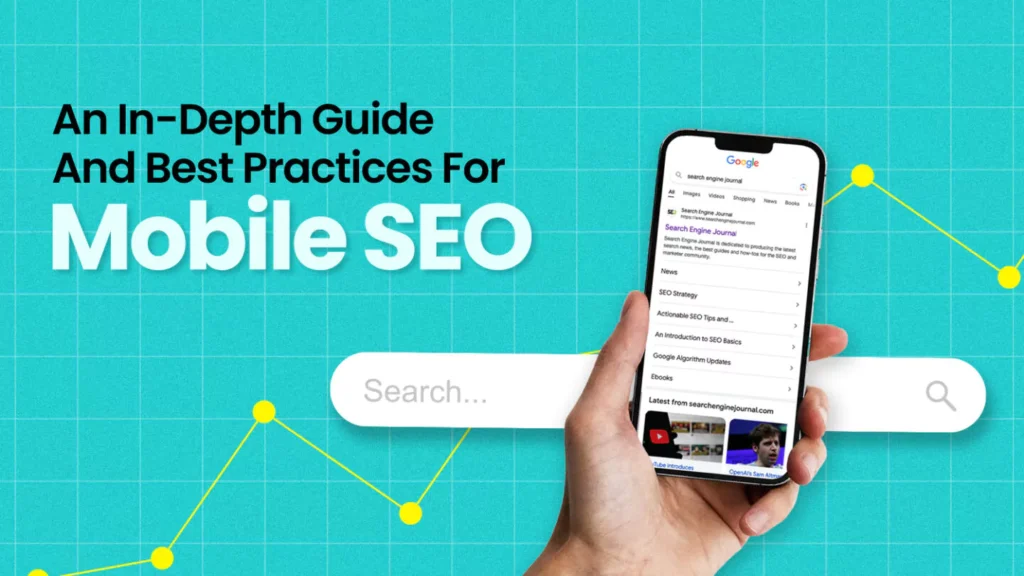
Most users browse through mobile, so your site must:
- Load fast
- Be responsive
- Have readable font
- Avoid pop-up overload
- Provide smooth navigation
Google uses mobile-first indexing, meaning your mobile version decides your ranking.
Why Mobile SEO Is Important
- Over 60–70% of web traffic comes from mobile phones.
- Google ranks mobile-friendly sites higher.
- Poor mobile experience = higher bounce rate and lower conversions.
- Essential for local SEO, because most “near me” searches happen on phones.
1. Mobile-Friendly (Responsive) Design
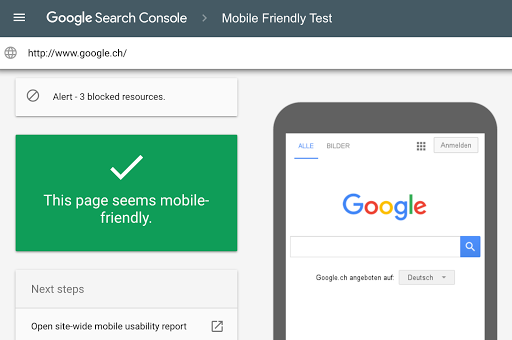
Your website should automatically adjust to any screen size.
What it means:
- Images resize
- Text is readable without zooming
- Buttons are easy to tap
- Layout adjusts based on screen width
- Best practice:
Use responsive design (CSS media queries) instead of a separate mobile site.
2. Page Speed Optimization
Mobile users leave pages that take more than 3 seconds to load because of it ‘s speed.
How to improve speed:
- Compress images (WebP)
- Minify CSS/JS
- Reduce redirects
- Use a fast hosting server
- Enable browser caching
- Use lazy loading for images
Tools:
- Google PageSpeed Insights
- GTmetrix
3. Mobile-Optimized Content
Users scan content quickly on mobile.
- DO:
- Short paragraphs
- Clear headings
- Bullet points
- Simple language
- Add visuals (images, icons, infographics
- DO NOT:
- Long paragraphs
- Heavy text blocks
- Long complicated sentences
- Touch-Friendly Buttons & Navigation
Best practices:
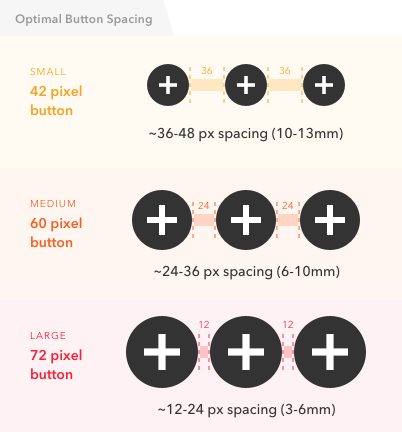
- Buttons should be 44px or larger
- Avoid clickable elements placed too close
- Use a clean hamburger menu
- Add sticky navigation for easy browsing
5. Avoid Intrusive Pop-ups
- Google penalizes websites with annoying mobile pop-ups.
- Bad pop-ups examples:
- Pop-up covering the whole screen
- Pop-up that cannot be closed
- Ads blocking content
Good examples:
- Small bottom banners
- Slide-in pop-ups
- Exit-intent pop-ups (desktop only)
6. Mobile-First Indexing Optimization
Google checks:
- Your content on mobile (must match desktop)
- Links, metadata, schema
- Page speed
- Responsiveness
Make sure:
- Both versions have the same text
- Same structured data
- Same internal links
- Same on-page SEO
7. Local SEO + Mobile SEO Work Together
Most mobile searches are local.
Examples:
- “Restaurants near me”
- “Laptop repair shop Karachi”
- “Best café near me”
Optimize for Local + Mobile:
- Create/optimize Google Business Profile
- Add mobile-friendly contact info
- Use click-to-call buttons
- Add maps on your site
SEO IN 2026 AND FUTURE TRENDS
The SEO landscape changes constantly. Here are the strongest trends for 2025:
1. AI-Driven Search Engines
Google Gemini, AI Overviews, Bing AI, and other models summarise answers.
Your content must be:
- Direct
- Clear
- High-quality
- Well-structured
2. Zero-Click Searches
Users sometimes get answers directly from SERPs.
Use schema markup and FAQs to appear in featured snippets.
3. Video SEO
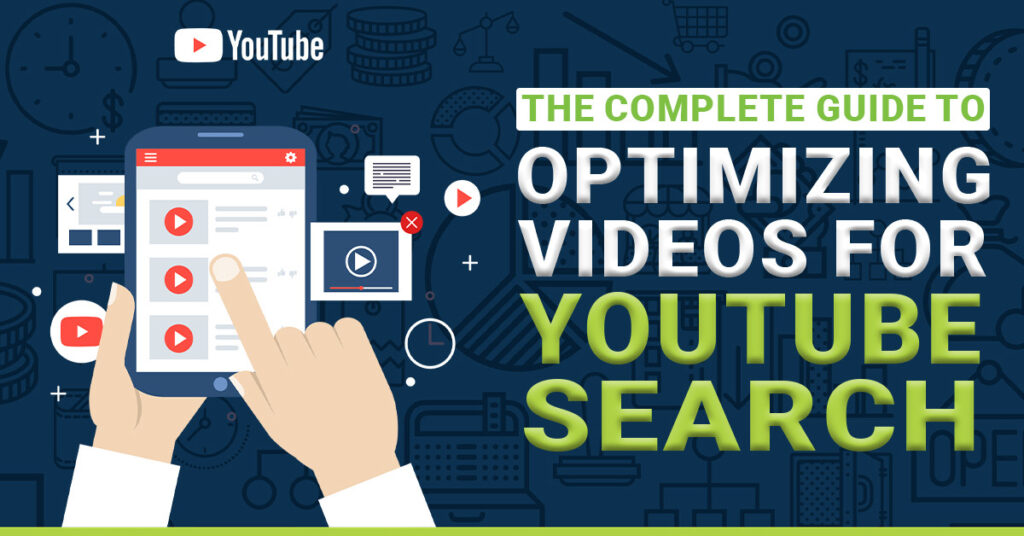
Video SEO helps your videos rank higher on search engines and video platforms; as an outcome, your content becomes far more discoverable.
- Video SEO improves visibility, and it ensures your video reaches users searching for relevant topics.
- Improving titles, descriptions, and tags strengthens search signals, at the same time, it helps methods understand your video.
- Adding transcripts and captions boosts accessibility, consequently, it increases watch time and user engagement.
- Crafting attractive thumbnails enhances click through rate, after that, it leads to better ranking performance.
- Integration videos on your website increases session duration, similarly, it supports your overall site SEO.
- Strong audience keep helps search engines analyze video quality, thus, it pushes your content higher in results.
Consistent keyword placement in filenames, captions, and metadata support relevance, further, it helps your video compete effectively.
YouTube is the world’s second-largest search engine.
Video content increases traffic dramatically.
Optimise your:
- Titles
- Descriptions
- Tags
- Thumbnails
- Transcripts
4. Image SEO-Search Engine Optimisation
Understanding Image SEO and Its Importance
In today’s digital world, images play a important role in engaging website visitors, therefore, optimizing them for search engines is important. Not only do images make content visually attractive, but they also give to overall SEO performance. Consequently, implementing effective image SEO methods can enhance both user experience and website ranking.
Why Image SEO Matters
Firstly, search engines cannot explain images the same way humans do. As a result, without proper optimization, your images may not contribute to your site’s visibility. Moreover, optimized images improve page load speed, which, in turn, positively impacts SEO rankings. Therefore, paying attention to image SEO is not optional, it is a important for latest websites.
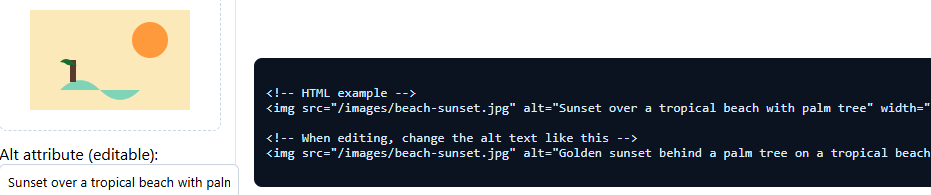
Include:
- Alt text
- High-quality visuals
- Image compression
5. User Experience (UX) as a Ranking Factor
Google ranks websites that users enjoy browsing.
Focus on:
- Fast loading
- Easy navigation
- Engaging content
- Smooth mobile experience
Why people Choose SEO-Search Engine Optimisation?
People choose SEO because it delivers in progress, trustworthy, and budget friendly growth that remains unmatched by other digital marketing strategies. In addition, SEO positions businesses directly in front of customers at the exact moment they search for specific products, services, or information, which significantly increases the chance of changes. On the same way, SEO increase trust because users generally view first page websites as more expert and dependable. Infact, SEO gives power to smaller brands to challenge much larger competitors without requiring huge marketing expenses. In a related manner, SEO expands visibility across multiple search questions, which consistently increase traffic, leads, and overall sales. Inside by, SEO raises brand identification by ensuring a company stays consistently present whenever users examine topics within its niche. In conclusion, people choose SEO because it provides lasting advantages that paid advertising simply cannot offer once the spending stops.
Reasons
- People choose SEO because it pushes high intention traffic that actively searches for solutions.
- Businesses chooses SEO because it builds trust and credibility through naturally earned rankings.
- Brands rely on SEO because it is cost effective and continues delivering traffic without continuous payments.
- Companies invest in SEO because it creates long term balance that keeps pages ranking for months or years.
- Small businesses accept SEO because it helps them compete fairly with larger brands through strategic optimisation.
- Organisations use SEO because it improves user experience by encouraging fast, mobile friendly, and well structured websites.
- Marketers depend on SEO because it supports long term business growth by increasing visibility, changes, and overall reach.
How to Optimise Your Content for SEO
(Step-by-Step)
When you start optimising your content for SEO, firstly, you should focus on understanding the intention of your topic so your writing will be what users exactly want. Moreover, your content need to maintain in a way that makes it easy for users. In addition, using clear headings and subheadings helps Google understand your key points easily.
Keyword Placement
Furthermore, creating keyword titles improves your visibility because it signals relate to search engines. Meanwhile, you should naturally include your main keyword within the first 100 words, since Google knows the opening section carefully. Similarly, adding secondary keywords allover the text helps you cover related questions.
Readability
Consequently, Pay attention to readability by keeping your sentences short and your paragraphs simple grabs audience attention. Additionally, structure your information with bullet points and numbered lists allows readers to understand your content effectively. As a result, both engagement and ranking potential increase.
Internal & External Links
Moreover, placing internal links to your own articles guides users to more helpful information and strengthens your site structure. Likewise, adding external links to trusted sources builds reliability and signals Google that your content is well researched.
Finally, you should end your content with a clear conclusion so readers leave with complete understanding.
SEO-Search Engine Optimisation plays a important role in building a strong online presence. Moreover, by implementing effective SEO-Search Engine Optimisation strategies, businesses can not only improve website visibility but also improve user engagement. Continuously, websites with consistent SEO practices achieve higher rankings as a result attract more targeted traffic. In addition, staying updated with the latest trends in Search Engine Optimisation ensures that your content remains competitive in search results.
Therefore, investing time and effort into SEO-Search Engine Optimisation is essential for long-term success. Furthermore, mastering SEO-Search Engine Optimisation empowers brands to build authority, increase conversions, and balanced growth over time. And also SEO is the key factor that connects quality content with measurable online results
FAQs.
What is SEO – Search Engine Optimisation?
It is the process of improving a Website so it ranks higher on search engines for specific keywords.
How does SEO work?
Through:
Crawling, Indexing, Ranking
Google Analyses your content and decides were it should appear.
How long does SEO take to work?
Usually 3-6 months, depending on:
Competition, Content quality, Back-links, Websites age
IS SEO better than paid ads?
SEO brings long-lasting, free traffic, while ads stop delivering results once you stop paying.
How often should I update my SEO Content?
Every 3-6 months.
What is the difference between SEO & SEM?
SEO is organic optimisation meanwhile SEM includes SEO + paid ads like Google Ads.
Is SEO still important in 2026 and 2027?
Yes. Organic traffic is still the highest-quality traffic for businesses in 2026 and 2027.
What are the main raking factors in SEO?
Quality content, back-links, mobile-friendliness, page speed, and users experience.
Do Images affect SEO?
yes. Compressed, optimised images improve speed and rankings.
why is mobile SEO important?
Google uses mobile-first indexing, so mobile performance affects all rankings.
Does Social media improves SEO?
Indirectly, it boosts visibility and traffic, leading to better authority and links?
what is technical SEO?
Optimising crawling, indexing, site structure, speed, URLs, and security.